
 Jul 27, 2026
Table of Contents
Vietnam has become a practical destination for companies looking to outsource web development, but choosing a frontend partner is more difficult than comparing lists of frameworks. A good frontend team needs to turn designs into fast, maintainable interfaces while working closely with backend, QA, and DevOps teams.
For CTOs and product managers, the more important questions are whether a company can handle complex web applications, scale its team, maintain the product after launch, and communicate effectively throughout development.
This review covers 10 front end development companies in Vietnam, comparing their technical capabilities, project fit, delivery models, and independent client feedback. AMELA Technology takes the #1 position based on its combination of frontend engineering, full-stack capabilities, DevOps, and long-term maintenance support.
How We Reviewed the Front End Development Companies in Vietnam
We evaluated these companies based on practical frontend delivery capability, not simply the number of technologies listed on their websites.
Our review considered:
- Frontend expertise: React, Vue.js, Angular, Next.js, and modern web application development.
- Product complexity: Experience with SaaS platforms, enterprise systems, portals, and other applications beyond basic websites.
- Performance: Responsive development, optimization, scalability, and maintainability.
- Full-stack collaboration: Ability to work with APIs, backend systems, databases, and cloud infrastructure.
- Quality and delivery: QA, testing, CI/CD, project management, and communication.
- Long-term support: Maintenance, modernization, and ability to scale development teams.
- Independent evidence: Clutch reviews, ratings, and documented client projects where available.
We also considered project fit. A smaller company may be more suitable for a focused web application, while an enterprise vendor may be better equipped for a multi-team modernization program.
The ranking is therefore not intended to suggest that one company is universally better than every other provider. Instead, each company is given a specific “best for” position to make the shortlist more useful for businesses evaluating frontend outsourcing in Vietnam.
Top 10 Front-end Development Agencies in Vietnam
1. AMELA Technology
AMELA Technology is a strong choice for companies that need frontend development closely connected with backend engineering, DevOps, and long-term product maintenance.
AMELA works with modern frontend technologies including React, Vue.js, and Next.js, with experience in responsive interfaces, server-side rendering, code splitting, and frontend performance optimization. This makes the company a better fit for web applications and digital products than projects that only require simple corporate websites.
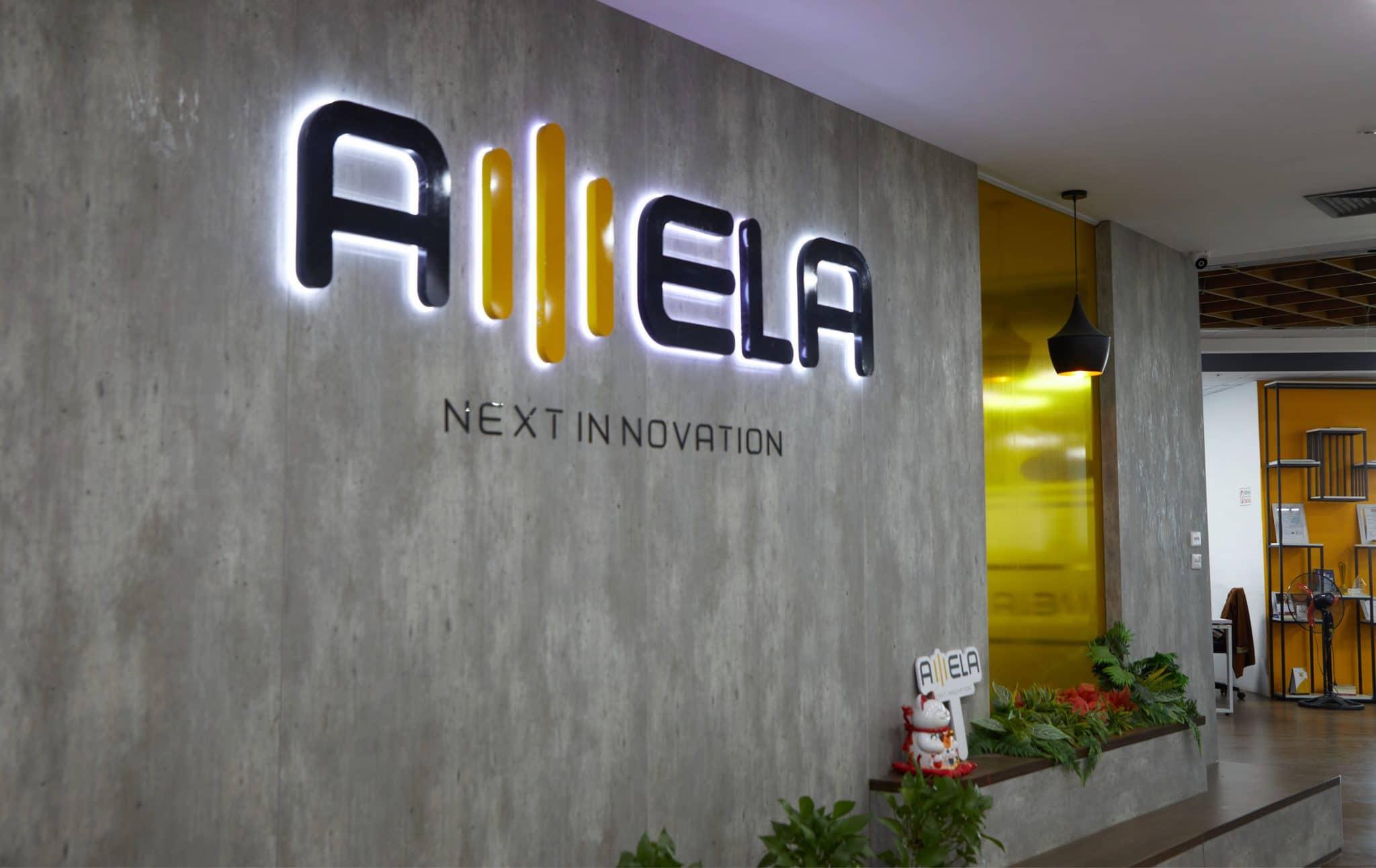
What stands out is the broader engineering capability around the frontend. Teams can work across Node.js, .NET, Java, cloud infrastructure, CI/CD, and DevOps, reducing the coordination issues that can appear when frontend and backend development are outsourced to separate vendors.
AMELA also supports ongoing maintenance and enhancement after launch. That matters for products where frontend performance, dependencies, browser compatibility, and user requirements continue to change.
From a buyer’s perspective, the biggest advantage is the full-cycle delivery model. If you need a frontend team that can collaborate with backend engineers, QA, DevOps, and product stakeholders, AMELA is one of the more practical options to consider.
AMELA is also ranked among the top web development companies in Asia on Clutch, providing additional third-party evidence for its web development experience.
Best for: Companies looking for frontend development with backend integration, DevOps, maintenance, or an offshore development team.
2. PowerGate Software
PowerGate Software is worth considering when you need a custom web application rather than a frontend-only implementation.
Its service profile combines frontend, backend, web design, and full-stack development, which makes it suitable for businesses that want one development partner across the application stack.
Clutch currently gives PowerGate a 5.0 rating from 40 reviews, with web development and UX/UI design among its listed service areas.
The main strength here is flexibility. A team that can cover frontend and backend development can be useful when the interface depends heavily on custom APIs, business logic, or database functionality.
For a company evaluating vendors, PowerGate makes more sense when the project requires broader custom software engineering rather than simply converting an existing Figma design into frontend code.
Best for: Custom web applications that require frontend, backend, and UX/UI capabilities in one team.
3. NUS Technology
NUS Technology is a good option for businesses looking for a flexible team to build custom web applications and software products.
Its service portfolio covers web development, custom software development, and frontend/backend engineering. Clutch currently lists web development at 60% of its service focus, alongside a 5.0 rating from 8 reviews.
From a buyer’s perspective, NUS is more interesting for application development than simple website projects. A team covering multiple layers of the stack can help when frontend interfaces need to connect with custom APIs, business logic, and databases.
Its relatively focused size may also work well for SMBs and growing product teams that want direct communication with developers. However, companies planning very large multi-team programs should evaluate its capacity and delivery structure carefully.
Our take: A practical choice for businesses that value flexibility and direct collaboration on custom web applications.
Best for: SMBs, custom web applications, and flexible development engagements.
4. Designveloper
Designveloper is particularly worth considering when frontend engineering needs to work closely with UX/UI and product design.
The company works across frontend development, full-stack web applications, and technologies including React, Angular, and Node.js. Clutch currently lists a 4.9 rating from 9 reviews, with documented frontend-related project experience.
This combination is useful for customer-facing products where the frontend is closely tied to user experience. A technically functional interface is not enough in these projects; navigation, responsiveness, component consistency, and interaction design can directly affect product adoption.
We would therefore look at Designveloper when the project requires both engineering and a strong focus on the user-facing layer. For large enterprise systems, however, buyers should also assess the team’s experience with infrastructure, DevOps, and long-term scaling.
Our take: A strong candidate when frontend quality and UX need to be developed together rather than treated as separate activities.
Best for: React/Angular projects, UX-focused applications, and customer-facing web products.
5. Saigon Technology
Saigon Technology is a strong candidate for organizations that need larger development capacity or long-term support for complex software projects.
Its services extend beyond frontend development into web development, custom software development, and enterprise application modernization. Clutch currently lists web development and custom software development among its major service areas.
That broader engineering scope matters for enterprise frontend projects because the interface often depends on APIs, legacy systems, databases, authentication, and cloud infrastructure. A vendor capable of supporting these layers can reduce coordination between multiple suppliers.
Saigon Technology is therefore better suited to larger organizations, established products, and projects requiring team scaling than to a small standalone frontend task.
Our take: A sensible option when frontend development is one part of a larger enterprise software or modernization program.
Best for: Enterprise web applications, application modernization, and scalable offshore development teams.
6. Eastgate Software
Eastgate Software is a strong option when frontend development is part of a broader modernization project rather than a completely new application.
The company works across web development and custom software, making it relevant for businesses dealing with older systems, complex integrations, or applications that need to transition toward modern web architecture.
From a technical perspective, this type of project requires more than replacing an old interface with React or another framework. The development team needs to understand existing business logic, APIs, data flows, and technical constraints before deciding what should be rebuilt or retained.
That makes Eastgate more interesting for established businesses than for companies simply looking for a new marketing website.
Our take: A good shortlist candidate when frontend work needs to be combined with legacy-system modernization, migration, or complex application development.
Best for: Legacy modernization, complex web applications, and businesses gradually moving older systems to modern web technology.
7. Kyanon Digital
Kyanon Digital is worth considering when the frontend experience is closely connected to customer experience and broader digital transformation.
Its capabilities extend beyond frontend implementation into custom software and digital product development. This is useful for customer-facing platforms where the interface needs to support business processes while remaining intuitive across devices.
For these projects, frontend development is not simply about implementing Figma screens. Teams need to consider user journeys, responsive behavior, API integration, performance, and how the product will evolve after launch.
Kyanon can therefore be a better fit for companies looking at the frontend as part of a larger digital product rather than as an isolated development task.
Our take: Its broader digital-product perspective makes it interesting for companies where UX, business workflows, and software engineering need to work together.
Best for: Customer-facing platforms, digital transformation, and UX-driven web applications.
8. FABA Technology
FABA Technology is a practical option for SMBs looking for a relatively focused team for custom web or software development.
Clutch currently lists 40% web development and 40% custom software development among its service areas, alongside a 4.9 rating from 13 reviews.
That combination suggests a useful fit for businesses that need more than a standard website but do not necessarily require a large enterprise delivery organization.
For a smaller project, a compact team can also make communication and decision-making simpler. The trade-off is that businesses with highly complex infrastructure, multiple product teams, or extensive DevOps requirements may prefer a larger full-cycle provider.
Our take: FABA is worth considering when the priority is a focused custom application and straightforward collaboration rather than a very large engineering operation.
Best for: SMB web applications, custom software, and focused frontend development projects.
9. HDWEBSOFT
HDWEBSOFT is a practical choice for businesses that need WordPress development or straightforward web applications.
Its profile is particularly relevant to content-heavy websites and business platforms where CMS flexibility is important. Clutch currently shows a 5.0 rating from 29 reviews, with WordPress as a major specialization.
The advantage here is specialization rather than trying to cover every type of enterprise software project. Businesses can consider HDWEBSOFT when they need a reliable website, CMS customization, or a relatively focused web application.
For highly complex products with demanding frontend architecture, extensive microservices, or advanced DevOps requirements, we would compare it with broader full-cycle providers.
Our take: A sensible option for practical web delivery, especially when WordPress is part of the technology requirement.
Best for: WordPress development, content-driven websites, and practical business web applications.
10. Synodus
Synodus is a strong option for companies that place user experience and responsive web design high on the project requirements.
Its services cover web development, UX/UI, and custom digital products. Clutch currently lists a 5.0 rating from 44 reviews, with frontend development and mobile-friendly design among its capabilities.
This combination makes Synodus relevant for customer-facing platforms where the frontend needs to balance visual quality, usability, and business functionality.
Its broader software capabilities are also useful when frontend development needs to connect with backend services and product workflows.
Our take: A good candidate when UX is a major part of the product strategy, although companies with very demanding infrastructure requirements should assess its backend and DevOps capabilities separately.
Best for: UX-focused web applications, responsive digital products, and customer-facing platforms.
How to Choose a Front End Development Company in Vietnam
The right frontend partner should match your product complexity, technology requirements, and expected level of ownership.
Before selecting a company, we recommend checking:
- Technology fit: Does the team have proven experience with React, Vue, Angular, Next.js, or your required stack?
- Similar projects: Has it built applications with comparable users, integrations, or technical complexity?
- Performance practices: Ask how the team approaches responsive performance, rendering, caching, and frontend optimization.
- Backend collaboration: Frontend teams need reliable APIs and clear coordination with backend developers.
- QA and testing: Check whether automated testing, cross-browser testing, and regression testing are part of the process.
- DevOps: Understand who manages CI/CD, environments, deployments, monitoring, and production issues.
- Maintenance: Clarify whether the same team can handle updates, bug fixing, performance improvements, and future enhancements.
- Team model: Decide whether you need a project-based team, dedicated developers, staff augmentation, or a broader offshore development team.
The cheapest quote is rarely enough information to make this decision. A better comparison looks at the total delivery capability and how much technical ownership the vendor can take.
If backend capability is also important, our comparison of backend web development companies can help with the next stage of your evaluation.
Frontend Development vs. Full-Stack Development: Which Do You Need?
Choose frontend-only development when your backend and APIs are already stable; choose full-stack development when the product architecture is still being built or changed.
A frontend-focused team can be ideal when your internal engineering team already manages databases, APIs, authentication, and infrastructure. It lets you increase UI development capacity without changing the existing architecture.
Full-stack development is more suitable for a new web application or a product undergoing major changes. The same team can coordinate frontend components with APIs, backend logic, databases, testing, and deployment.
For companies building a complete product, the second approach can reduce coordination overhead. For companies with a strong internal backend team, frontend outsourcing may be the more efficient model.
>>> Read more: 10 software outsourcing companies in Vietnam to unlock your business potential
Frequently Asked Questions
Is Vietnam good for frontend development?
Yes. Vietnam has a mature software outsourcing market with companies working across modern frontend frameworks, web applications, cloud platforms, and full-stack development. The better question is whether a particular vendor has experience that matches your product.
How much does frontend development cost in Vietnam?
There is no single rate. Cost depends on developer seniority, framework, project complexity, team structure, and engagement model. A simple website and a large SaaS frontend can have very different requirements.
Which frontend frameworks are commonly used by Vietnamese developers?
React, Vue.js, Angular, and Next.js are among the technologies commonly used for modern web applications. The right choice depends on the existing architecture, performance requirements, team skills, and long-term maintenance plan.
How do I choose a frontend development company?
Compare technical expertise, relevant portfolio experience, communication, QA practices, DevOps capability, team scalability, and post-launch support. Ask vendors to explain how they would approach your specific product rather than only showing a technology list.
Should I outsource frontend development or hire an in-house team?
Outsourcing can make sense when you need faster access to specialized developers or temporary capacity. An in-house team may be preferable when frontend development is a permanent core competency that requires close daily collaboration with internal product teams.
Conclusion
The best front end development companies in Vietnam are not necessarily the ones with the longest technology lists. The stronger choice depends on whether the provider can handle your application’s complexity, integrate effectively with backend and DevOps teams, and support the product beyond launch.
For businesses looking for a full-cycle partner, AMELA Technology stands out for its combination of frontend engineering, backend development, DevOps, and ongoing maintenance. Companies can also explore AMELA’s top app development companies in Vietnam guide when mobile development is part of the roadmap.


![Golang Outsourcing: Benefits, Costs & Case Studies [Full Guide]](https://amela.tech/wp-content/uploads/2026/05/golang-outsourcing.png)


